Balancing Protein, Creatine, and Pre-Workout: A Guide to Smarter Supplement Use

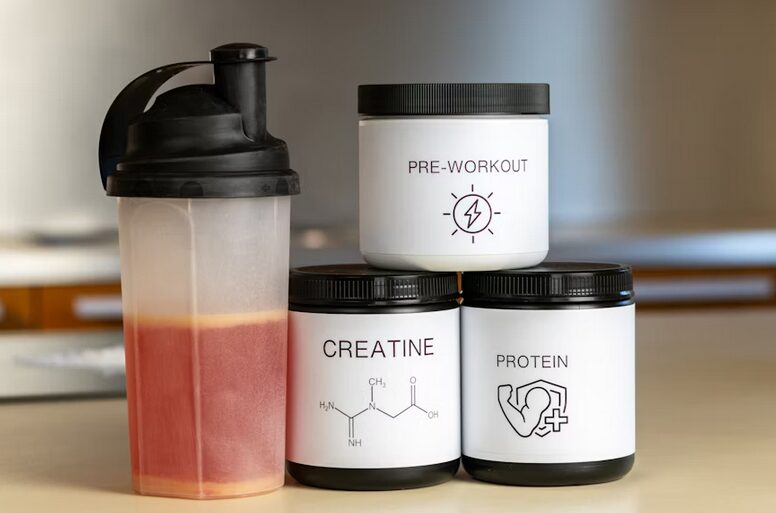
The fitness world is full of supplements promising faster gains, improved endurance, and sharper focus. Among the most popular are protein powders, creatine, and pre-workout formulas. While each plays a valuable role, combining them without understanding how they interact can limit progress or worse, cause unnecessary strain on your body. The supplement management thespoonathletic, a renowned online resource talking specifically about personalized supplements for athletes and fitness enthusiasts, can help guide you in using them correctly and effectively. The key is balance. Knowing when and how to use these supplements can help you perform better, recover faster, and achieve long-term fitness results safely.

The Role of Protein

Protein is the foundation of muscle repair and growth. Supplementing with protein powder helps ensure your body gets enough amino acids to support recovery. It’s especially useful when you can’t meet your needs through food alone. The best time to take it is post-workout, when your body is most receptive to nutrients. However, remember that supplements should complement real food, not replace it.

How Creatine Supports Strength and Power
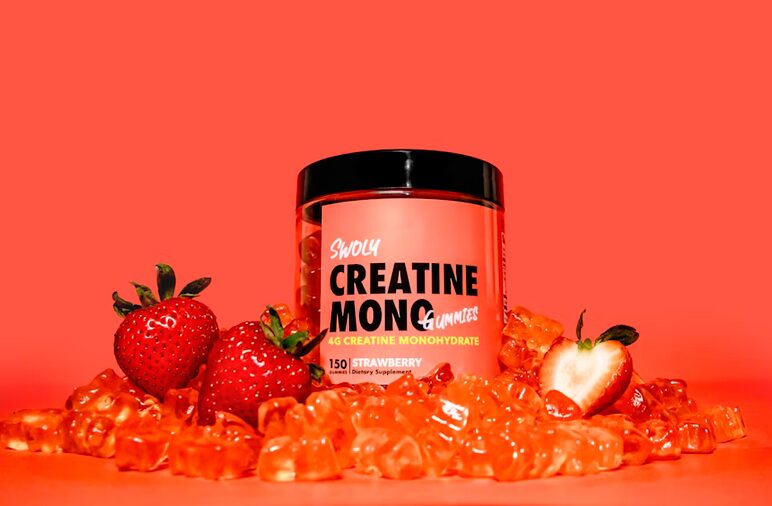
creatine

Creatine is one of the most researched and effective performance supplements. It works by increasing your body’s energy stores, allowing you to push harder during short bursts of activity like weightlifting or sprinting. Over time, consistent creatine use leads to noticeable gains in strength and muscle fullness. It’s not an instant fix but a gradual enhancer that delivers reliable results when taken daily. To ensure optimal absorption, it’s often paired with carbohydrates or protein after workouts.

The Function of Pre-Workout Formulas

This typically contains caffeine, amino acids, and nitric oxide boosters that increase blood flow and alertness. These blends can make workouts feel more productive and intense. However, moderation is crucial. Overuse can lead to jitters, fatigue, or disrupted sleep. Listening to your body and adjusting dosage based on tolerance will help you get the benefits without the downsides.

The Timing and Combination

Timing plays a big role in how well supplements work together. A balanced routine might include a pre-workout about 30 minutes before exercise for energy, creatine either before or after training for strength, and protein after workouts for recovery. Some athletes even combine creatine with protein shakes post-training for convenience. The goal is to maintain consistency rather than overload your system. By understanding timing, you make each supplement work in harmony rather than in competition.

The Smarter Way to Supplement

Supplements should simplify your routine, not complicate it. They’re meant to fill nutritional gaps and enhance performance, not replace sleep, hydration, or a balanced diet. By taking time to understand how protein, creatine, and pre-workout interact, you create a routine that supports both short-term energy and long-term results. Your body performs at its best when it’s fueled intelligently, and that means using supplements as tools, not crutches.

Common Supplement Mistakes to Avoid

One of the biggest mistakes people make is assuming that more is better. Too much pre-workout can lead to dehydration or restlessness, while excessive protein can strain the kidneys if hydration and nutrition aren’t managed properly. Similarly, skipping water intake while taking creatine can cause cramps. The smartest approach is to use each supplement with purpose and awareness. Always read labels and track how your body responds. Balance and discipline will take you further than overconsumption.
How to

beginner

From Couch to Core: A Beginner’s Journey Into Fitness and Health

Let’s face it—starting a fitness routine when you’ve been sedentary for a while is no small feat. I used to spend my evenings scrolling on the couch, convincing myself I’d “start Monday.” But every Monday came and went. Eventually, I hit a point where I was tired of feeling sluggish and disconnected from my body. So, I decided to start small and just do something. This post is a look into my beginner journey—not polished or perfect, but real. If you’re thinking of getting started, this might give you the nudge you need.

Getting Started With the Basics

My first step wasn’t some epic gym session. I was walking around the block. That 15-minute loop felt like a marathon at the time, but it made me realize movement didn’t have to be extreme to be effective. I didn’t follow a fancy program right away—I just focused on moving every day, whether it was stretching, dancing around the house, or trying a beginner-friendly YouTube workout. I wasn’t chasing perfection; I was building consistency. Eventually, that consistency helped me build confidence, which mattered more than anything else at the start.

Finding the Rhythm

Once I got into a rhythm, I started learning what worked best for me—and what didn’t. I learned that overcommitting burned me out fast, and that rest days were helpful, not lazy. I also started reading about beginner strategies and came across these 7 key tips for quicker fitness results. Things like focusing on form before speed, staying hydrated, prioritizing sleep, and mixing up my workouts made a huge difference. I noticed real progress not when I pushed harder, but when I trained smarter. Understanding my limits and working within them helped me feel strong without feeling defeated.

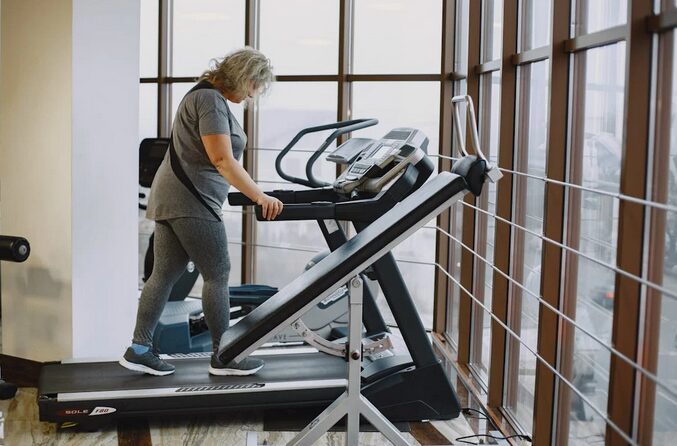
treadmill

Fueling My Body With Intention

In the beginning, I thought getting fit meant eating as little as possible. Turns out, that’s not only unsustainable—it’s counterproductive. Once I began paying attention to what I was eating, I saw how much energy I was missing out on. Adding more protein, fiber, and whole foods made me feel fuller, longer, and gave me the stamina to enjoy my workouts. I also learned not to label foods as “bad” or “off-limits”—that kind of thinking just led me to binge later. Balance became my goal, not restriction.

Tracking Progress Beyond the Scale

I used to step on the scale every morning, hoping for magic. But I soon realized that my progress wasn’t tied to a number—it was in how I felt. I could walk farther without losing my breath. I had more energy throughout the day. My jeans fit better. My mental clarity improved. These small changes told me more about my journey than the scale ever could. Fitness became less about chasing an ideal body and more about being able to do more with the one I have.

Staying Motivated and Accountable

Motivation isn’t a constant feeling—it comes and goes. What helped me stay on track was creating simple systems of accountability. Sometimes I wrote down what I did each day in a notebook. Other times, I texted a friend after a workout. I even started sharing my progress on social media, which gave me a small community of people who were rooting for me. Having something to check in with, even informally, made …

How Home Modifications Support Workout Routines for Limited Mobility

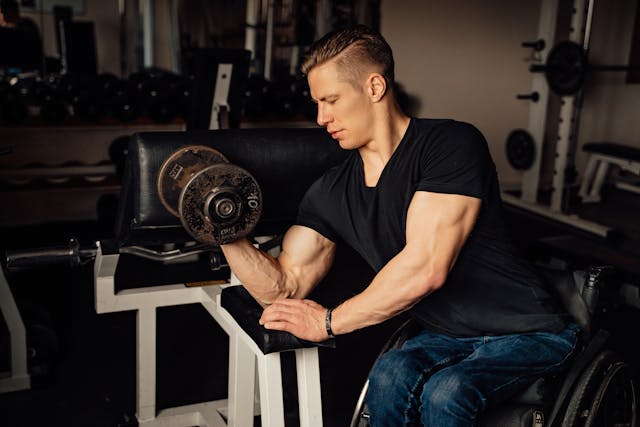
For individuals with limited mobility, staying active can be challenging but it’s not impossible. One of the first steps to making exercise more accessible is modifying the home. Safety must come first. A well-designed space reduces the risk of falls, helps build confidence, and plays a key role in enhancing comfort for those with mobility challenges. Installing grab bars, widening doorways, and removing loose rugs are small changes that make a big difference. When the space feels secure, exercising becomes less stressful and more consistent.

Adapting Equipment for Functionality

Standard workout equipment doesn’t always meet the needs of someone with limited mobility. That’s why adapting or replacing certain tools is necessary. Using resistance bands instead of weights can offer the same benefits without requiring balance. Pedal exercisers or recumbent bikes are great options for seated cardio. These pieces take up little space and can often be used in common living areas. The key is choosing items that match both ability and comfort.

Optimizing Layout for Access

Furniture placement can either help or hinder movement. For those using wheelchairs, walkers, or crutches, cluttered rooms create barriers. Modifying the home to allow for open pathways is essential. A clear layout ensures smoother transitions from room to room and provides enough space for seated or standing exercises. The living room, bedroom, or even kitchen can serve as exercise zones if organized well. Good design makes daily movement feel natural rather than forced.

Supporting Independence

One of the goals of home fitness is independence. The fewer obstacles in the environment, the easier it is to manage routines alone. Adjustable-height tables, wall-mounted storage, or easy-to-reach shelves can help store workout gear within arm’s reach. When everything is accessible, it eliminates the need for help each time a workout begins. This encourages consistency and builds routine. Independence doesn’t mean doing everything alone it means having the freedom to choose when and how to move.

Encouraging Consistency

Consistency is the backbone of any fitness plan. For individuals with limited mobility, having a workout space at home removes the need to travel or rely on a facility’s availability. This convenience supports regular activity, even during bad weather or low-energy days. Setting up visual cues like calendars, timers, or exercise charts on the wall can help maintain a routine. Making the space inviting through lighting, music, or color also helps make workouts something to look forward to.

Incorporating Technology

Technology plays a growing role in home workouts. Tablets, smart TVs, or even phones can display guided routines tailored for limited mobility. Voice assistants can set timers, play music, or start video workouts hands-free. These tools give structure and variety, which are important to keeping engagement high. Whether it’s a short stretching session or a seated strength class, digital resources can provide support without leaving the house. The right tech setup enhances both experience and motivation.

Customizing for Unique Needs

No two people experience mobility limitations in the same way. That’s why home modifications should be flexible. One person may need a lift chair, while another benefits more from padded flooring. Some may prefer quiet, private areas; others enjoy open spaces with natural light. Each setup should reflect the person’s goals, limitations, and preferences. Consulting with an occupational therapist or physical therapist can help tailor the environment to support …

man sad

How to Prevent Erectile Dysfunction

Erectile dysfunction (ED) can occur for many reasons. Sometimes it’s as simple as the negative impact of a particular medication. But for roughly 75 percent of men, the origin is quite a bit more complicated. ED can lead to cardiovascular disease, neurological disease, diabetes, hypertension, or prostate-related treatments or remedies. Fortunately, this condition is curable, and several medicines are developed to cure this condition. You can look here to start with. However, on the other hand, prevention is still the best medicine, and this article will share with you some of the healthy measures to prevent erectile dysfunction in the first place.

Pay Attention to Your Vascular Health

push ups

Conditions like high cholesterol, high blood pressure, high blood sugar, and high triglycerides can damage arteries in the heart, causing a heart attack; in the brain, causing stroke; and leading to the penis, causing erectile dysfunction. Regarding this, consult your doctor to find out whether your vascular system — and thus your heart, brain, and penis — is in good shape or needs a tune-up through lifestyle changes and, if necessary, medications.

Get Slim and Stay Slim

An expanding waistline also contributes to erectile dysfunction. Thus a trim waist is one good defense. A man with a 42-inch waist is 50% more likely to have ED than one with a 32-inch waist. Losing weight helps fight erectile dysfunction, so getting to a healthy weight and staying fit is another good strategy for avoiding erectile conditions. Obesity also raises risks for vascular disease and diabetes. And excess fat interferes with several hormones that may be part of the problem as well.

Move a Muscle

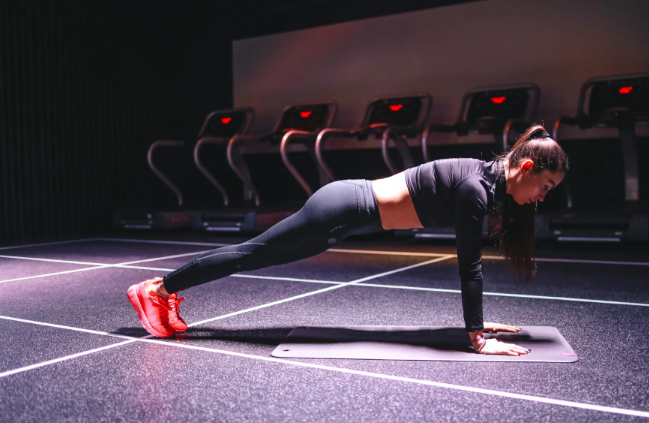
A strong pelvic floor enhances rigidity during erections and helps keep blood from leaving the penis by pressing on a critical vein. For better results, take three months of twice-daily sets of Kegel exercises, combined with biofeedback, and applying some lifestyle changes. It would be better to quit smoking and limit your alcohol intake, for its work far better than just advice on lifestyle changes.…

woman doing pushups

Excellent Training Tips for Tennis Players

Tennis conditioning and training is essential for tennis players who are looking to achieve their maximum potential. According to gazettereview.com, tennis conditioning and exercise have to be incorporated together to receive the best results from your practice.woman doing crunches

Speed and Agility Workouts

The very best tennis players are those who are absolute athletes. To compete at a top-level, players will need to be fast, strong, and require a great aerobic capability. Players who follow fantastic conditioning coaching will have the ability to become much more effective on the tennis court, whether they’re practicing or playing games.

This will help the players increase their footwork techniques and become a whole lot faster in court. When the players begin to move well, they’ll have more time to be put up to their shots, and they will be a good deal more efficient. Possessing good shots but not having the ability to go well or put up nicely won’t help a tennis player when he’s in a game situation. That is why conditioning coaching in the courtroom with agility drills might help tennis players.

Aerobic Training

Some aerobic training can enable the players to remain healthy. A fantastic aerobic level allows players to become intense while they’re practicing or playing games. Tennis is an intense sport, and people often see players becoming tired too quickly or don’t recover well. Regular aerobic exercise such as cycling or jogging for 30 minutes may help a great deal to prevent this sort of situation.

Strength Training

One other very significant part of conditioning is power training. Strength training has to be entirely incorporated in the program because players are increasingly stronger and stay informed about your competitors; you have to be as powerful as them. Strength training is also the perfect method to prevent injuries that frequently occur for tennis players. Tennis conditioning and training have to be accomplished collectively and with consistency. This is the trick to be a fantastic tennis player, and that is why it’s so difficult to make it to the best level in this game.…