
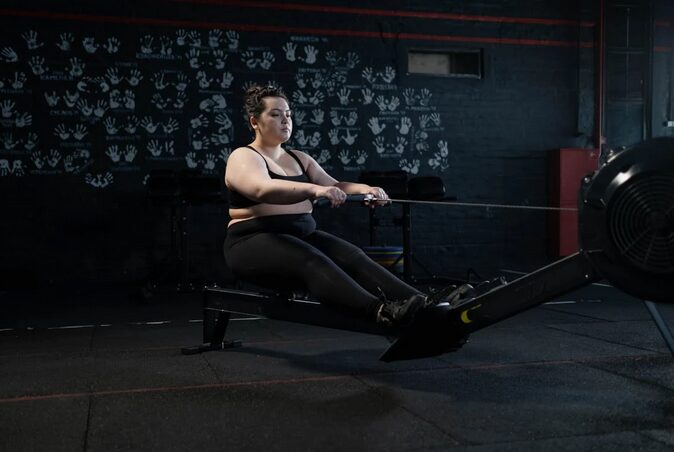
Let’s face it—starting a fitness routine when you’ve been sedentary for a while is no small feat. I used to spend my evenings scrolling on the couch, convincing myself I’d “start Monday.” But every Monday came and went. Eventually, I hit a point where I was tired of feeling sluggish and disconnected from my body. So, I decided to start small and just do something. This post is a look into my beginner journey—not polished or perfect, but real. If you’re thinking of getting started, this might give you the nudge you need.
Getting Started With the Basics
My first step wasn’t some epic gym session. I was walking around the block. That 15-minute loop felt like a marathon at the time, but it made me realize movement didn’t have to be extreme to be effective. I didn’t follow a fancy program right away—I just focused on moving every day, whether it was stretching, dancing around the house, or trying a beginner-friendly YouTube workout. I wasn’t chasing perfection; I was building consistency. Eventually, that consistency helped me build confidence, which mattered more than anything else at the start.
Finding the Rhythm
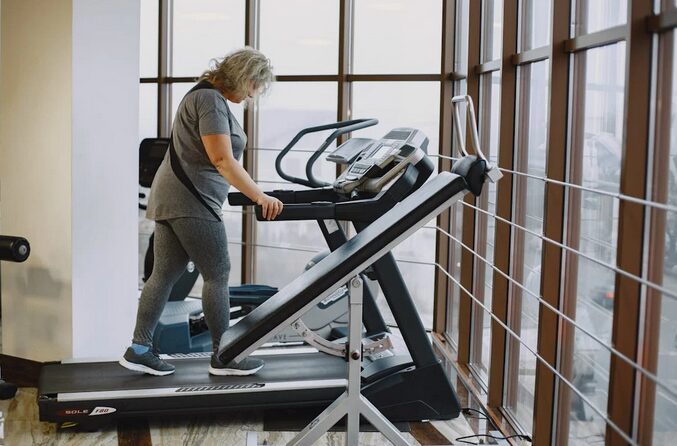
Once I got into a rhythm, I started learning what worked best for me—and what didn’t. I learned that overcommitting burned me out fast, and that rest days were helpful, not lazy. I also started reading about beginner strategies and came across these 7 key tips for quicker fitness results. Things like focusing on form before speed, staying hydrated, prioritizing sleep, and mixing up my workouts made a huge difference. I noticed real progress not when I pushed harder, but when I trained smarter. Understanding my limits and working within them helped me feel strong without feeling defeated.
Fueling My Body With Intention
In the beginning, I thought getting fit meant eating as little as possible. Turns out, that’s not only unsustainable—it’s counterproductive. Once I began paying attention to what I was eating, I saw how much energy I was missing out on. Adding more protein, fiber, and whole foods made me feel fuller, longer, and gave me the stamina to enjoy my workouts. I also learned not to label foods as “bad” or “off-limits”—that kind of thinking just led me to binge later. Balance became my goal, not restriction.
Tracking Progress Beyond the Scale
I used to step on the scale every morning, hoping for magic. But I soon realized that my progress wasn’t tied to a number—it was in how I felt. I could walk farther without losing my breath. I had more energy throughout the day. My jeans fit better. My mental clarity improved. These small changes told me more about my journey than the scale ever could. Fitness became less about chasing an ideal body and more about being able to do more with the one I have.
Staying Motivated and Accountable
Motivation isn’t a constant feeling—it comes and goes. What helped me stay on track was creating simple systems of accountability. Sometimes I wrote down what I did each day in a notebook. Other times, I texted a friend after a workout. I even started sharing my progress on social media, which gave me a small community of people who were rooting for me. Having something to check in with, even informally, made it harder to give up when I hit those inevitable slumps.
Going from couch to core hasn’t been a straight line—it’s been more like a series of loops, with lots of trial and error along the way. But the biggest shift hasn’t just been physical; it’s been mental. I’ve learned that showing up for yourself—even in small ways—builds momentum that can change your life. If you’re just starting, know that you don’t need to have it all figured out. Just begin. Move a little, eat a little better, rest when you need to, and keep going. You’re not behind—you’re right on time.