

We’ve all seen social media posts showcasing perfectly curated self-care rituals that promise inner peace and happiness. But what happens when those practices turn into another source of stress? As we chase after balance and well-being, are we overdoing it? You see, many people live a very busy, unhealthy lifestyle.
They work long hours, don’t get enough sleep, eat poorly, and neglect their mental and emotional health. This leads to burnout, anxiety, and other health problems. No wonder the self-care movement has gained so much popularity.
It encourages us to slow down, prioritize our well-being, and take time for ourselves. But like any trend, it’s easy to get caught up in the hype and take things too far. Activities to improve your overall wellness may vary, but are all of them really necessary? Let’s find out the answer here.
What Is Self-Care Overload?
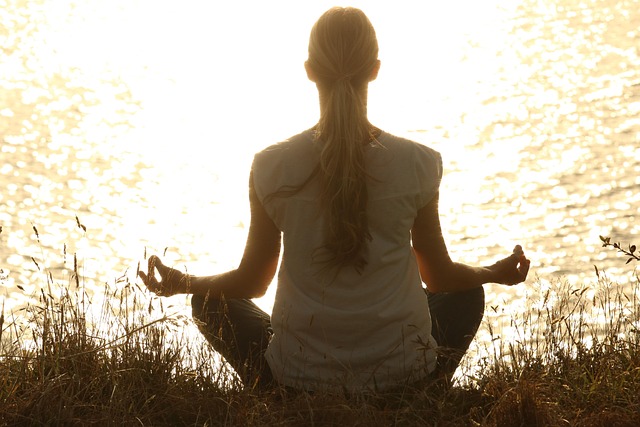
Self-care overload occurs when the pursuit of wellness transforms from a nurturing experience into a chore. It can creep up on you, often disguised as enthusiasm for better living. You might notice feeling pressure to try every new trend. Whether it’s the latest fad diet or an intricate yoga routine, suddenly there seems to be less joy and more obligation tied to your self-care practices. Another sign is burnout. What was once a relaxing bubble bath might now feel like just another item on your already overflowing checklist. If you dread making time for activities that used to recharge you, it’s time for reflection. Keep an eye out for guilt—especially if you’re missing out on these rituals due to life’s demands. Instead of feeling rejuvenated, feelings of inadequacy can linger long after you’ve put down that face mask or finished yet another meditation session.
The Hidden Stress of Over-Committing to Wellness Practices
As mentioned, over-committing to wellness practices might not be something you’re looking for. Why? What starts as a desire for self-improvement often morphs into another source of stress. Imagine filling your calendar with yoga classes, meditation sessions, and meal prep plans. Each commitment adds up, creating pressure rather than peace. The initial excitement fades when the schedule becomes overwhelming. You might find yourself racing from one activity to another, striving for that elusive perfect routine. But instead of feeling rejuvenated, you end up drained.
Balancing Self-Care and Real-Life Responsibilities
With that in mind, how can we feel rejuvenated without putting too much work into it that could end up drained? Finding the right balance between self-care and everyday responsibilities is the answer. Life demands attention, yet so does personal well-being. Start by integrating self-care into daily tasks. A mindful walk during lunch breaks or setting aside ten minutes for meditation while brewing coffee can make a difference. Track how much time you devote to both aspects of life. This clarity helps identify where adjustments are needed. It’s about creating harmony rather than perfection, allowing space for both obligations and rejuvenation within your routine.

Minimalist Self-Care: Doing Less for Better Results
Instead of juggling endless wellness trends, choose a few practices that resonate. A simple morning stretch or a quiet cup of tea can work wonders. Quality often trumps quantity when it comes to nurturing your well-being. Reflect on your daily rituals and assess their impact. Do they genuinely uplift you? If not, it’s time …

 One of the most important things you can do in a relationship is to communicate openly and honestly with your partner. This means being able to share your thoughts, feelings, and needs with them without feeling judged or misunderstood. It’s also essential to be able to listen to what they have to say without getting defensive. If you can both communicate openly and honestly, it will go a long way in creating a healthy relationship.
 It’s easy to get into the habit of taking your partner for granted. You might not even realize you’re doing it, but it can happen when you get comfortable in a relationship. If you start to take your partner for granted, it can lead to them feeling unappreciated and taken for granted. This can be a major issue in a relationship and can lead to resentment. Appreciate the little things your partner does for you.